
 +86 15968093247









0102030405
What the difference between EcoVero and LIVAECO Sustainable Viscose
2025-11-03
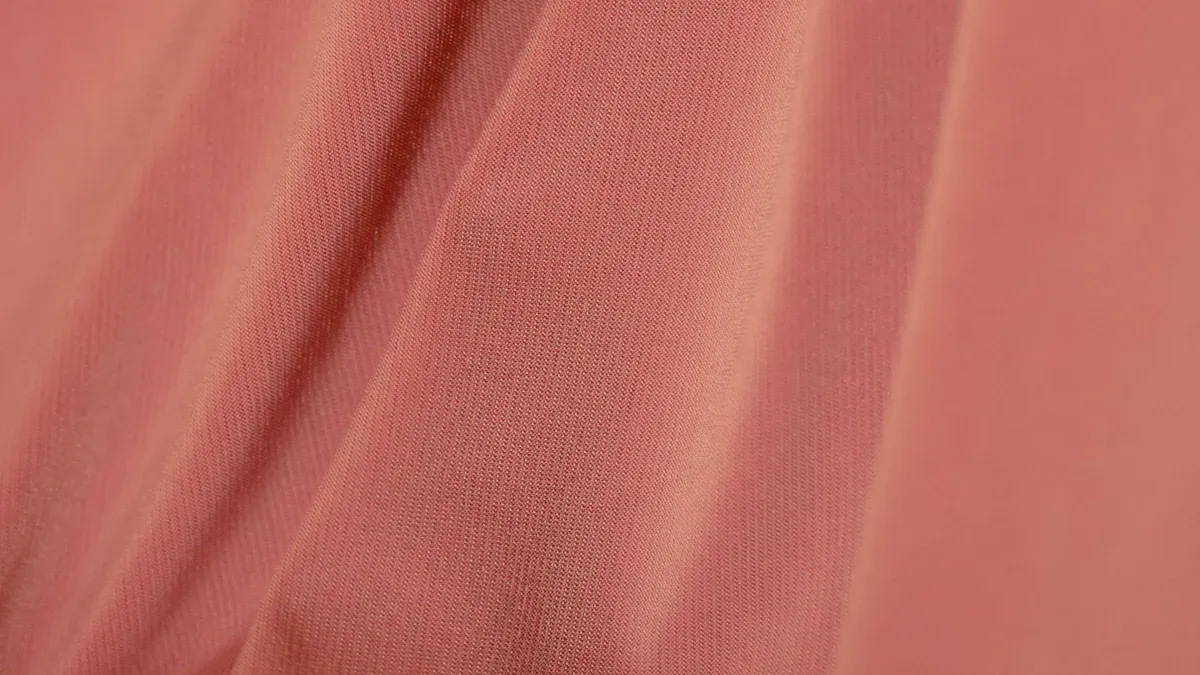
EcoVero and LIVAECO stand as distinct leaders in sustainable viscose. They each offer unique benefits for eco-conscious textile choices. The global market for Viscose Staple Fiber (VSF) projects an 8% compound annual growth rate over the next five years. This growth really highlights increasing sustainable trends within the industry. Many brands now choose EcoVero Viscose or LIVAECO Viscose, showing the rising demand for suastainable viscose options.
Key Takeaways
- EcoVero and LIVAECO are top choices for sustainable viscose. They both help the environment.
- EcoVero uses wood from certified forests. Its factories use less water and chemicals.
- LIVAECO also uses wood from certified forests. It tracks its fibers with special technology like blockchain.
- Both fibers are good for the planet. They break down naturally and have many eco-friendly certificates.
- Choosing between them depends on what a brand cares about most. Both help make fashion more sustainable.
EcoVero Sustainable Viscose: A Closer Look
EcoVero's Certified Wood Sourcing
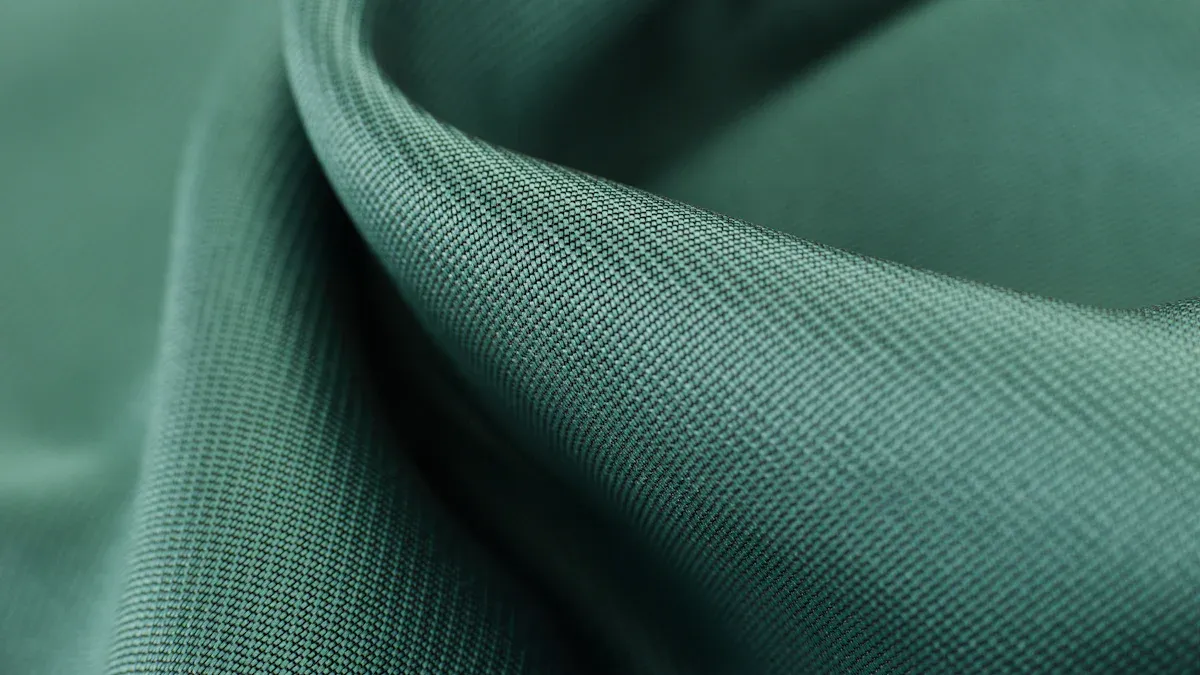
EcoVero stands out because of its commitment to responsible sourcing. It uses wood certified by labels like FSC and PEFC. These certifications ensure the wood comes from sustainably managed forests. The material itself also holds certification from the EU Eco-Label. This means EcoVero comes from certified and controlled wood sources. The EU Ecolabel brands it as internationally recognized for its environmental standards. You can trust where the raw materials come from. In fact, more than 60 percent of the trees used for EcoVero fibers come from Austria and Bavaria. This focus on local, certified sources helps maintain transparency and reduce environmental impact.
EcoVero's Eco-Responsible Production Process
EcoVero's production process is much more eco-friendly than traditional methods. It generates up to 50% lower emissions and water impact compared to generic viscose. A closed-loop system helps achieve this. This revolutionary system captures and reuses 99% of potentially hazardous chemicals involved in the dissolving process. This makes it safer for workers and much better for the environment. It also recovers and reuses water, which significantly reduces pollution. Conventional viscose, in contrast, often uses more chemicals and causes significant water pollution. EcoVero's approach truly sets a new standard for manufacturing sustainable viscose.
Environmental Impact of EcoVero Sustainable Viscose
The environmental benefits of EcoVero are clear. Its production process uses significantly less water, with a reduction of up to 50% compared to generic viscose. This is a huge step forward in conserving precious resources. The closed-loop system also means fewer chemicals escape into the environment. This protects ecosystems and water quality. By choosing EcoVero, brands actively support a textile industry that prioritizes the planet. It offers a cleaner, greener option for fashion.
EcoVero's Global Certifications and Traceability
EcoVero does not just talk about sustainability; it proves its claims through a robust system of global certifications and clear traceability. These certifications give consumers and brands confidence in the product's environmental integrity. For instance, Ecovero Fabrics are Biodegradable/Compostable by TÜV Austria Belgium NV. This important certification confirms the fibers can fully return to nature in various environments, including industrial, home, soil, and marine settings. This means your clothing can break down naturally at the end of its life.
Furthermore, EcoVero ensures responsible wood sourcing with certifications from the Forest Stewardship Council (FSC) and the Program for Endorsement of Forest Certification (PEFC). FSC guarantees the wood comes from responsibly managed forests, offering environmental, social, and economic benefits. PEFC also works to protect forests globally and locally, ensuring strict standards for sustainable management. These certifications mean the raw materials for EcoVero's sustainable viscose come from ethical and well-managed sources.
The production process also undergoes scrutiny. STeP by OEKO-TEX® is an independent certification system that assesses a manufacturer's environmental measures, including efforts to reduce carbon footprint and water usage. This shows EcoVero's dedication to eco-friendly manufacturing practices. Beyond these, EcoVero also aligns with broader sustainability goals, often associated with B Corp Certification for social and environmental impact, and Cradle2Cradle certification for material circularity. These certifications provide a clear path for tracing the fiber from forest to fashion, offering unmatched transparency in the textile supply chain.
LIVAECO Sustainable Viscose: A Detailed Overview
LIVAECO's Forest-to-Fashion Sourcing
LIVAECO by Birla Cellulose™ prioritizes responsible sourcing right from the start. They ensure their raw materials come from forests managed in an environmentally sound way. LIVAECO sources its wood from FSC® certified sustainable forests. This certification guarantees the wood comes from responsibly managed sources. In fact, 100 percent of LIVAECO's raw material comes from these FSC® certified sustainable forests. This commitment helps preserve forests and reduces the environmental impact of textile production.
LIVAECO's Innovative Manufacturing Approach
LIVAECO uses advanced methods in its manufacturing process. Birla Cellulose employs a closed-loop technology. This system follows the "3R" concept: reduce, recover, and reuse. It helps conserve resources and maximize efficiency. This approach also minimizes environmental emissions and reduces waste. LIVAECO fibers even include a unique molecular tracer. This tracer allows for source verification throughout the entire value chain. They also use a blockchain-based tool called GreenTrack™. This tool traces the value chain from the source to the final garment, ensuring transparency and traceability.
Environmental Advantages of LIVAECO Sustainable Viscose
LIVAECO offers significant environmental benefits. Its manufacturing process uses minimal water compared to other natural fibers. This helps conserve a vital resource. The process also results in lower greenhouse gas emissions. The sustainably sourced wood pulp contributes to forest preservation. It also helps reduce CO2 emissions when compared to traditional rayon production. Choosing LIVAECO means supporting a fiber that actively works to lessen its ecological footprint. This makes it a great choice for brands seeking truly sustainable viscose options.
LIVAECO's Traceability and Certifications
LIVAECO by Birla Cellulose™ does not just talk about being green; it proves its claims with strong traceability and many important certifications. They make sure you can trust where their fibers come from and how they impact the environment. For example, LIVAECO uses fibers from certified responsible forestry. This means their wood comes from forests managed in a way that protects nature and local communities. Their production process also uses a closed system. This system reuses water and solvents, showing their deep commitment to environmental responsibility.
You can feel confident about LIVAECO's environmental footprint because of its many certifications. The fiber holds an OK Biodegradable Marine Certificate, which means it can break down safely in ocean environments. It also has an OK Biodegradable Water Certificate, showing it degrades in fresh water. For land-based disposal, LIVAECO earned the OK Biodegradable Soil Certificate. This confirms it breaks down naturally in soil. Furthermore, it has both OK Biodegradable Compost Home Certificate and OK Biodegradable Compost Industrial Certificate. These show the fiber can compost effectively in both home and industrial settings.
Beyond biodegradability, LIVAECO also holds an OEKO-TEX Certificate. This ensures the fiber is free from harmful substances, making it safe for human use. They also have ISO 9001:2015 for quality management and ISO 14001:2015 for environmental management. These ISO certifications show LIVAECO follows strict international standards for both quality and environmental care. All these certifications give brands and consumers clear proof of LIVAECO's dedication to producing truly sustainable viscose.
Direct Comparison: EcoVero vs. LIVAECO Sustainable Viscose
When you choose between EcoVero and LIVAECO, you pick two excellent options for sustainable textiles. Both brands champion eco-friendly practices. However, they approach sustainability with some distinct methods. Let's break down what makes each one special.
Sourcing Practices for Sustainable Viscose
Both EcoVero and LIVAECO start with wood from responsibly managed forests. This is a big win for the planet! EcoVero sources its wood from certified forests, mainly in Austria and Bavaria. These forests carry FSC and PEFC labels. This means someone carefully manages them. EcoVero ensures its raw materials come from places that protect biodiversity and forest health.
LIVAECO also commits to responsible sourcing. It proudly states that 100 percent of its wood comes from FSC® certified sustainable forests. This guarantees a strong commitment to forest preservation. While both use certified wood, LIVAECO emphasizes its complete reliance on FSC® certification for all its raw material. This gives you confidence in their forest-to-fiber journey.
Production Process Efficiency and Innovation
The way these fibers become fabric also shows their dedication to the environment. EcoVero uses a special closed-loop system. This system is quite clever! It captures and reuses 99% of the chemicals involved in dissolving the wood pulp. This significantly reduces chemical waste and pollution. It also reuses water, making the process much more efficient. EcoVero's method truly sets a high bar for eco-responsible manufacturing.
LIVAECO also employs a closed-loop technology. They call it the "3R" concept: reduce, recover, and reuse. This approach helps them save resources and cut down on waste. LIVAECO takes innovation a step further. They embed a unique molecular tracer into their fibers. This tracer allows for verification of the fiber's origin throughout the entire supply chain. They also use GreenTrack™, a blockchain-based tool. This tool traces the value chain from the forest to your final garment. This offers incredible transparency and helps you know exactly where your clothes come from.
Water and Carbon Footprint Differences
Both EcoVero and LIVAECO work hard to reduce their environmental impact. EcoVero boasts a significant reduction. Its production process generates up to 50% lower emissions and water impact compared to generic viscose. This means less pollution in the air and less strain on water resources. The closed-loop system plays a huge role in achieving these impressive numbers.
LIVAECO also offers substantial environmental advantages. Its manufacturing process uses minimal water. This helps conserve this precious resource. The process also results in lower greenhouse gas emissions. LIVAECO's sustainably sourced wood pulp helps reduce CO2 emissions when compared to traditional rayon production. Choosing either of these options means you support a more sustainable viscose industry. Both brands actively work to lessen their ecological footprint, making them excellent choices for eco-conscious consumers and brands.
Traceability and Transparency Mechanisms
Knowing where your clothes come from matters more than ever. Both EcoVero and LIVAECO understand this. They both use smart systems to track their fibers from the forest to your closet. This helps ensure honesty and trust in the supply chain.
LIVAECO™ Modal by Birla Cellulose offers traceability across its entire value chain. They achieve this by using blockchain technology. This digital ledger creates a secure and unchangeable record of every step. It means you can trust the journey of the fiber.
LENZING™ ECOVERO™ fibers also use advanced methods for traceability. They combine physical markers with the TextileGenesis™ platform. This platform uses innovative Fibercoin™ technology. Fibercoin™ creates digital blockchain 'assets' or tokens. These tokens match physical shipments. They act like a unique digital fingerprint. This helps prevent mixing with other fibers. It also creates a secure, digital record of ownership throughout the textile process. This integrated approach gives full assurance about the fiber's origin.
Key Certifications and Standards
Certifications act like badges of honor in the sustainable textile world. They show that a product meets certain environmental or social standards. Both EcoVero and LIVAECO hold important certifications. These certifications prove their commitment to sustainability.
| Fiber Brand | Primary Certifications |
|---|---|
| ECOVERO™ | PEFC or FSC certified wood sources, EU Ecolabel |
| Livaeco™ | PEFC or FSC certified wood sources |
Both ECOVERO™ and Livaeco™ get their wood from PEFC or FSC certified sources. These certifications mean the wood comes from responsibly managed forests. This helps protect our planet's valuable forest ecosystems. The main difference between them is that ECOVERO™ also holds the EU Ecolabel certification. Livaeco™ does not have this specific label. The EU Ecolabel is a recognized mark of environmental excellence. It covers the entire life cycle of a product.
LIVAECO also boasts other impressive certifications. These include OK Biodegradable Marine, Water, Soil, Compost Home, and Compost Industrial. These show the fiber can break down safely in many different environments. EcoVero also has certifications like Biodegradable/Compostable by TÜV Austria Belgium NV. It also aligns with STeP by OEKO-TEX® for its production process. These various certifications give brands and consumers confidence in the environmental claims of both fibers.
Market Positioning and Brand Focus
EcoVero and LIVAECO both aim for the sustainable fashion market. However, they often target slightly different areas or emphasize different strengths. EcoVero, from Lenzing, positions itself as a premium sustainable viscose. It often highlights its strong environmental credentials, like lower emissions and water use. Many global fashion brands choose EcoVero for its reliable sustainability claims and clear traceability. It appeals to brands that want to communicate a strong, certified eco-friendly message to their customers.
LIVAECO, from Birla Cellulose, also focuses on sustainability. It often emphasizes its innovative manufacturing and complete traceability through blockchain. LIVAECO appeals to brands looking for cutting-edge technology in their sustainable materials. It also highlights its biodegradability across various environments. This makes it attractive to brands focused on the end-of-life cycle of their garments. Both brands empower fashion companies to make more responsible choices. They help meet the growing demand for eco-conscious textiles.
Choosing Your Sustainable Viscose: EcoVero or LIVAECO
Deciding between EcoVero and LIVAECO can feel like a big choice. Both offer fantastic sustainable options. The best fiber for a brand often depends on its specific needs and values. Brands should think about a few key areas to make the right decision.
Aligning with Brand Sustainability Goals
Brands must first look at their own sustainability goals. Does a brand prioritize forest management certifications above all else? Both EcoVero and LIVAECO excel here with FSC and PEFC certifications. Perhaps a brand focuses heavily on reducing water and chemical use in production. EcoVero's 50% lower impact might be a strong selling point. If a brand values cutting-edge traceability, LIVAECO's molecular tracers and blockchain technology could be more appealing. Brands aiming for full biodegradability across many environments might lean towards LIVAECO's extensive OK Biodegradable certificates.
Considerations for Product Application
The final product also plays a role in this decision. What kind of garment will the fiber become? Both fibers offer excellent drape and softness, making them suitable for various apparel. However, specific product needs might guide the choice. For example, if a brand creates activewear that needs to break down in marine environments, LIVAECO's marine biodegradability certification becomes very relevant. If a brand needs a widely recognized eco-label for consumer trust, EcoVero's EU Ecolabel might be a key factor.
Supply Chain Preferences and Flexibility
A brand's existing supply chain and its flexibility also matter. Some brands might already work with suppliers familiar with Lenzing (EcoVero) products. Others might find Birla Cellulose (LIVAECO) integrates better into their current network. Brands should consider:
- Supplier relationships: Which fiber integrates more smoothly with current partners?
- Traceability needs: How deep does a brand want its traceability to go? LIVAECO offers very detailed, blockchain-based tracking.
- Geographic sourcing: Does one fiber offer better access or logistics for a brand's specific production locations?
Tip: Always consider how each fiber fits into your brand's overall story and operational flow.
The Future of Sustainable Viscose Fibers
Continuous Innovation in Eco-Friendly Textiles
The journey toward truly sustainable textiles never stops. Manufacturers constantly look for new ways to make fabrics better for the planet. We see exciting developments in viscose production. Researchers explore new raw materials beyond wood pulp, like agricultural waste. They also work on even more efficient closed-loop systems. These systems aim to recover nearly 100% of chemicals and water. New technologies also focus on reducing energy use during manufacturing. The goal is to create viscose fibers with an even smaller environmental footprint. This ongoing innovation promises a greener future for fashion.
Industry Impact of EcoVero and LIVAECO
EcoVero and LIVAECO have already made a big splash in the textile world. They set high standards for sustainable viscose. Their success encourages other fiber producers to adopt similar eco-friendly practices. These brands show that sustainability and quality can go hand-in-hand. Many clothing manufacturers, like Ningbo Dyon Industrial Group Co., Ltd., actively choose these sustainable fibers. This choice helps meet the growing demand from global brands for responsible materials. EcoVero and LIVAECO push the entire industry forward, making sustainable options more common and accessible. They prove that eco-conscious production is not just possible but also profitable.
Empowering Sustainable Fashion Choices
EcoVero and LIVAECO give brands and consumers powerful tools. They allow everyone to make more responsible fashion choices. Brands can confidently offer garments made from these fibers, knowing they support ethical sourcing and production. Consumers can buy clothes with peace of mind, understanding the positive impact of their purchases. This transparency and commitment to sustainability empower a shift in the fashion industry. It moves away from fast fashion's environmental toll and towards a more circular, eco-friendly model. These fibers are not just materials; they represent a commitment to a better planet and a more sustainable future for clothing.
EcoVero and LIVAECO both champion sustainable viscose. Each brand offers distinct strengths in sourcing, production, and environmental impact. Your choice between them depends on specific brand values, supply chain priorities, and desired product attributes. Ultimately, both companies contribute significantly to a more responsible and sustainable textile industry. They empower fashion brands to make better choices for the planet.
FAQ
What is sustainable viscose?
Sustainable viscose comes from responsibly managed forests. Manufacturers use eco-friendly processes. These methods reduce water use and chemical pollution. It offers a greener alternative to traditional viscose. This helps protect our planet.
How do EcoVero and LIVAECO differ in sourcing their wood?
Both use wood from certified forests. EcoVero sources mainly from Austria and Bavaria. It uses FSC and PEFC certifications. LIVAECO states 100% of its wood comes from FSC® certified forests. Both prioritize responsible forest management.
Which fiber is better for biodegradability?
Both fibers are biodegradable. LIVAECO has extensive certifications. These include OK Biodegradable Marine, Water, Soil, and Compost. EcoVero also holds Biodegradable/Compostable certification from TÜV Austria. Both return to nature effectively.
Can brands trace the origin of these fibers?
Yes, both offer strong traceability. EcoVero uses physical markers and the TextileGenesis™ platform. LIVAECO uses molecular tracers and blockchain technology like GreenTrack™. These systems ensure transparency from forest to garment.
Why should brands choose sustainable viscose?
Brands choose sustainable viscose to reduce environmental impact. It shows commitment to eco-friendly practices. Consumers increasingly demand sustainable products. This choice helps meet market demand. It also supports a healthier planet.