
 +86 15968093247







0102030405
5 Sustainable Fashion Styles That Are Taking Over 2025
2025-09-28

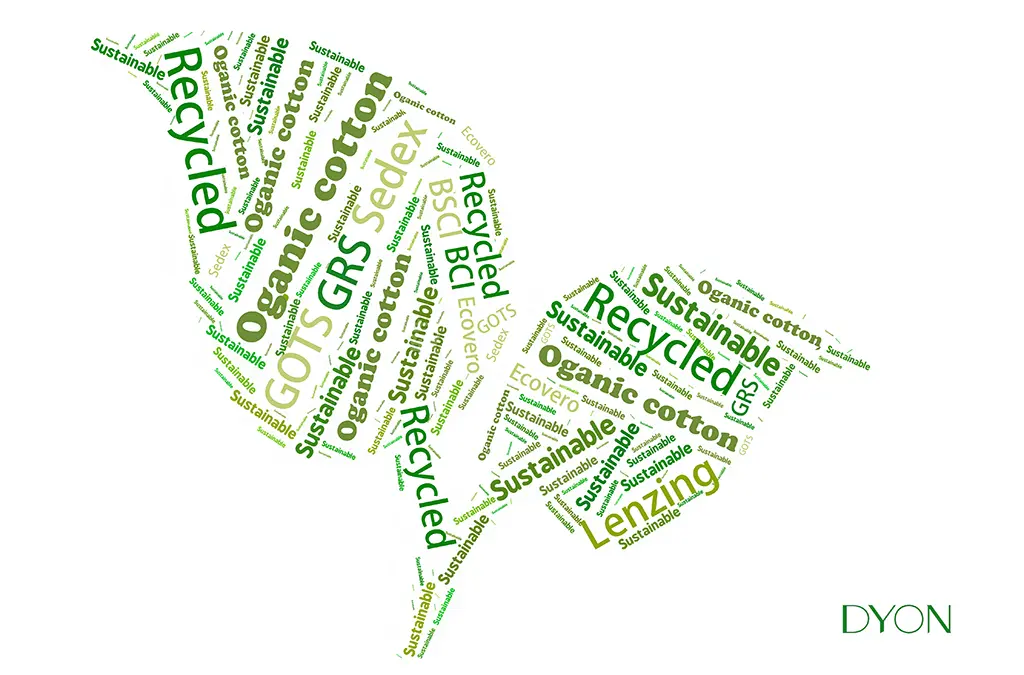
Sustainable fashion is becoming essential in our purchasing decisions. Approximately 80% of consumers now prioritize sustainability, with many willing to pay more for eco-friendly products. This shift is transforming the fashion industry, leading to a projected growth of the sustainable fashion market from USD 7.8 billion in 2023 to USD 33.05 billion by 2030. As we embrace this change, new styles, such as those using recycled polyester, Lenzing Tencel, organic cotton, and Ecovero viscose, are emerging and reshaping our wardrobes.
Key Takeaways
- Sustainable fashion is gaining popularity, with 80% of consumers prioritizing eco-friendly products. This shift is driving significant growth in the sustainable fashion market.
- Choosing eco-friendly materials like pineapple leather, hemp, and organic cotton helps reduce environmental impact and supports sustainable practices.
- Incorporating sustainable styles such as minimalist, upcycled, and second-hand fashion allows you to make mindful choices that benefit both your wardrobe and the planet.
Sustainable Eco-Friendly Materials

Sustainable fashion relies heavily on eco-friendly materials. I find it fascinating how these materials not only reduce environmental impact but also offer unique qualities. Here are some of the most commonly used eco-friendly materials in 2025:
- Pineapple Leather: This innovative material comes from pineapple leaf fibers. It is sustainable, durable, and biodegradable.
- Banana Fiber: Derived from banana tree pseudostems, this fiber is natural, biodegradable, and strong.
- Hemp: Extracted from the hemp plant, it has a low environmental impact and is incredibly durable.
- Tencel (Lyocell): Produced from sustainably sourced wood pulp, Tencel is eco-friendly and made through a closed-loop process.
Using these materials brings numerous environmental benefits. For instance, organic cotton uses resource-conserving techniques, resulting in low water usage and reduced greenhouse gas emissions. Hemp regenerates soil nutrients and requires no chemical sprays for pest control.
Moreover, certifications play a crucial role in verifying the sustainability of these materials. Here are some notable certifications:
| Certification Name | Description |
|---|---|
| Better Cotton Initiative | Supports farmers in adopting environmentally-friendly cotton farming methods. |
| Blue Angel | Identifies textiles manufactured without harmful chemicals, complying with high environmental standards. |
| GOTS | Certifies production of natural fibers, requiring at least 70% organic content. |
By choosing clothing made from these eco-friendly materials, I contribute to a more sustainable future. It feels rewarding to know that my fashion choices can positively impact the planet.
Sustainable Minimalist Fashion

Sustainable minimalist fashion has become a personal favorite of mine. This style emphasizes simplicity and quality, allowing me to curate a wardrobe that is both stylish and eco-friendly. By focusing on fewer, high-quality pieces, I reduce waste and make more mindful choices.
One of the key principles of sustainable minimalist fashion is the use of eco-friendly materials. I often choose garments made from organic cotton, hemp, and recycled fibers. These materials minimize environmental impact while providing durability. Additionally, ethical labor practices ensure that workers receive fair wages and work in safe conditions.
I appreciate how minimalist fashion encourages me to invest in timeless styles. This approach not only reduces waste but also promotes longevity. I find that I wear my favorite pieces more often, which aligns with my values.
Here are some ways sustainable minimalist fashion brands reduce waste compared to traditional brands:
- Upcycling transforms discarded materials into new products, reducing pollution and the need for new raw materials.
- Minimalist fashion emphasizes quality over quantity, encouraging consumers to invest in durable garments that last longer.
- Zero waste fashion aims to minimize textile waste by ensuring every piece of material is utilized during production.
As I explore this fashion style, I notice a growing consumer demand for transparency in supply chains. Brands that communicate their sustainability efforts clearly resonate with me. I appreciate knowing where my clothes come from and how they are made.
In 2025, sustainable minimalist fashion continues to redefine my wardrobe choices, making it easier to align my style with my values.
Sustainable Upcycled Fashion
Sustainable upcycled fashion has captured my attention as a creative and eco-friendly approach to clothing. This style breathes new life into discarded materials, transforming them into unique pieces. I love how upcycling allows me to express my individuality while contributing to sustainability.
Some innovative upcycling techniques have emerged in 2025. For instance, patchwork combines different fabric scraps to create one-of-a-kind designs. I often see refashioning, where garments are altered into new forms, like turning an old shirt into a stylish tote bag. Dyeing revitalizes fabrics with natural or synthetic dyes, giving them a fresh look. Embroidery adds intricate details, enhancing plain clothing. I also enjoy seeing accessory reinvention, where items like headbands are crafted from fabric scraps.
The economic benefits of adopting upcycled fashion practices are significant for brands. Companies that embrace sustainability often enhance their brand image, improving public perception and loyalty. They can also increase revenue by attracting consumers who value eco-friendly products. Upcycling leads to cost savings by reducing material costs and waste management expenses. Brands that prioritize sustainability position themselves for long-term competitiveness in a changing market.
As I explore upcycled fashion, I appreciate how it meets the rising consumer demand for products with low environmental impact. This trend resonates with my values and encourages me to make more conscious choices in my wardrobe.
Sustainable Slow Fashion
Sustainable slow fashion resonates deeply with me. This style encourages thoughtful consumption and prioritizes quality over quantity. I appreciate how slow fashion promotes a shift away from the fast-paced trends that often lead to waste. By investing in durable and timeless pieces, I can significantly lower my carbon footprint.
Here are some key characteristics that distinguish slow fashion from fast fashion:
- Slow fashion focuses on quality, encouraging me to invest in well-made garments.
- It emphasizes sustainable fabrics and eco-conscious materials.
- Ethical practices are a priority, ensuring fair wages for workers.
- The production process is methodical, contrasting sharply with the rapid cycles of fast fashion.
I find that slow fashion brands often create timeless pieces that I can wear for years. Their commitment to craftsmanship and durability aligns with my values. I also enjoy the versatility of these garments, allowing me to mix and match for various occasions.
Moreover, buying second-hand clothing has become a favorite practice of mine. This choice not only extends the lifecycle of garments but also helps reduce carbon emissions by preventing clothing from ending up in landfills. I feel empowered knowing that my choices contribute to a more sustainable future.
As I explore the world of slow fashion, I recognize the challenges these brands face. Many small brands struggle with scaling their operations while maintaining ethical practices. However, their dedication to sustainability inspires me to support their efforts.
Sustainable Rental and Second-Hand Fashion
Sustainable rental and second-hand fashion have become essential components of my wardrobe. I love how these options allow me to enjoy fashion without the guilt of contributing to waste. Renting clothes promotes a circular economy by enabling multiple uses of garments. This approach significantly reduces the need for new production, which is crucial in combating the environmental impact of fast fashion.
The second-hand market is booming. In fact, the U.S. second-hand fashion market is projected to reach around USD 51.9 billion in 2024. Globally, the second-hand fashion market is expected to grow from USD 208.6 billion in 2025 to USD 521.5 billion by 2034. This growth reflects a shift in consumer attitudes towards sustainability.
I appreciate the affordability of renting or buying second-hand clothing. Not only do I find great prices, but I also contribute to sustainability. Choosing second-hand significantly reduces waste. Over 11 million tons of textile waste end up in U.S. landfills annually. By opting for pre-loved items, I help conserve resources and lower carbon emissions.
Many rental platforms address hygiene concerns effectively. They often use advanced cleaning methods, ensuring that garments are safe and ready for the next wearer. This commitment to quality builds my trust in these services. As I embrace sustainable rental and second-hand fashion, I feel empowered to make choices that benefit both my style and the planet.
Sustainable fashion styles play a crucial role in reducing the fashion industry's environmental footprint. By embracing eco-friendly materials, minimalist designs, upcycled garments, slow fashion principles, and rental options, I contribute to a more sustainable future.
I encourage you to consider these styles in your wardrobe choices. Together, we can shift the industry away from fast fashion and promote a more responsible approach to clothing. Sustainable fashion is not just a trend; it is a necessary shift for our planet's health.
FAQ
What are sustainable fashion styles?
Sustainable fashion styles prioritize eco-friendly materials, ethical production, and reduced waste. They include eco-friendly materials, minimalist designs, upcycled garments, slow fashion, and rental or second-hand options.
How can I start incorporating sustainable fashion into my wardrobe?
I recommend beginning with a few key pieces made from eco-friendly materials. Explore second-hand shops and rental services to find unique, sustainable options that fit your style.
Why is sustainable fashion important?
Sustainable fashion reduces environmental impact, promotes ethical labor practices, and encourages mindful consumption. It helps combat the negative effects of fast fashion on our planet and society.
