How to Choose the Perfect Plain Clothes for Your Business?
Selecting the right plain clothes for your business is more than a simple choice. It's a reflection of your brand identity and professionalism. Plain clothes can create a cohesive look, enhancing team unity and customer trust. However, the process is not as straightforward as it seems.
You may face challenges in choosing colors, fabrics, and styles that represent your brand accurately. Finding the perfect balance between comfort and professionalism is crucial yet often overlooked. Think about the impression your employees make in the workplace. Their attire speaks volumes about your company culture.
Each choice carries weight. For instance, a simple shirt can convey reliability, while a well-fitted pair of pants can signal sophistication. Reflecting on how these plain clothes align with your business values is essential. Aim for versatility and timeless appeal, even if it requires revisiting your current strategies.
How to Assess Your Brand Identity for Business Clothing Choices
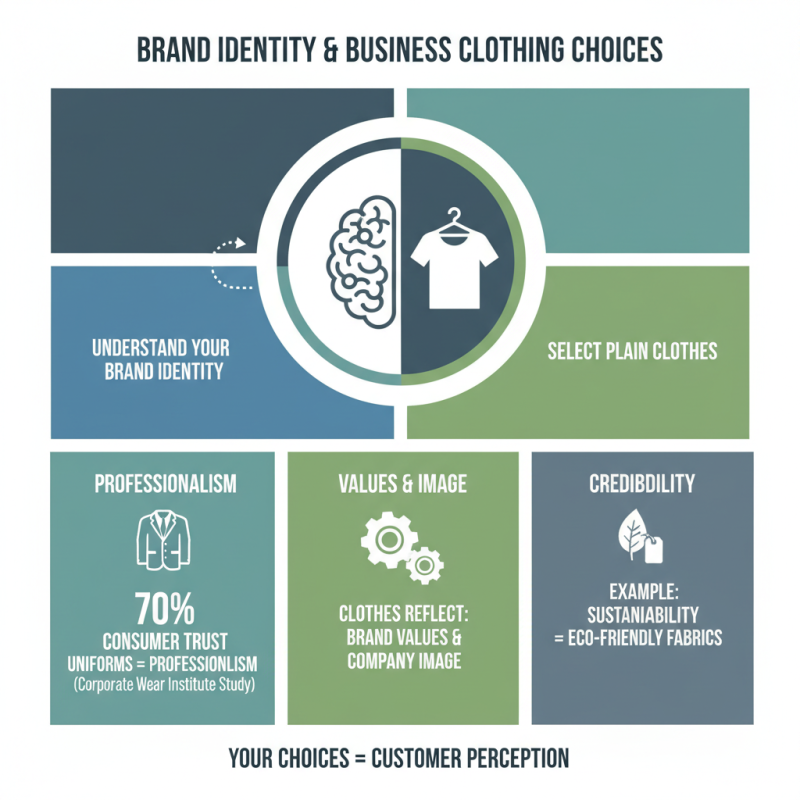
Understanding your brand identity is crucial when selecting plain clothes for your business. A study by the Corporate Wear Institute shows that 70% of consumers associate uniforms with professionalism. This means your clothing choices reflect not only your brand but also your values and image. A business’s identity often influences customer perceptions. If your brand emphasizes sustainability, then eco-friendly fabrics can enhance your credibility.
Assessing your brand requires introspection. Start by considering your target audience. A professional report from the Fashion Marketing Association found that 65% of consumers prefer brands that align with their values. Your clothing should resonate with their expectations. For instance, if your audience is younger, minimalist styles may be more appropriate. Reassess your previous clothing choices. Were they effective in conveying your brand message?
Engage with employees to gather feedback on designs. Their insights can drive better choices. Consider trial runs with specific outfits before committing. This approach can highlight potential misalignments with your brand identity. Ultimately, the right clothing reflects who you are as a business. It’s not just about looking good; it’s about embodying your brand's essence.
Understanding Fabrics: Quality and Comfort in Plain Clothes Selection
Choosing the right plain clothes for your business can be challenging. Fabric quality and comfort are crucial factors. Reports suggest that 63% of consumers prioritize comfort in their clothing choices. Knowing the fabric types can simplify your decision-making process.
Natural fabrics like cotton and linen offer breathability and durability. They can withstand daily wear and tear while maintaining comfort. Synthetic fabrics, such as polyester, can provide easy care and wrinkle resistance. However, they often lack the breathability natural fabrics have. The choice of fabric reflects your brand's commitment to quality.
Tips: Always check the fabric's composition label. Look for blends that enhance comfort without sacrificing durability. Consider the climate of your business location. In warmer months, breathable fabrics can improve employee satisfaction. Also, know that many consumers are now environmentally conscious. Sustainable fabrics can attract a broader customer base and reflect positively on your brand image.
Tip: Try different
fabric samples. This helps in understanding how they feel against the skin. Remember, even subtle variations can impact your overall impression. Don’t forget to assess the care instructions; some may not be practical for a busy workplace.
Balancing quality and comfort can be a complex task, but it’s essential for both employee morale and customer perception.
Color Psychology: Impact on Perception and Customer Engagement
Color psychology plays a crucial role in business attire. The colors you choose can significantly influence how customers perceive your brand. For instance, blue often conveys trust and professionalism. It can make clients feel secure in your services. On the other hand, red can evoke feelings of excitement and urgency. This might encourage quicker purchasing decisions, but it can also be overwhelming if overused.
When selecting plain clothes for your business, consider the emotions you want to evoke. Neutral colors, such as gray and beige, can create a calm and approachable vibe. However, using too much neutrality might make your brand forgettable. Striking the right balance is essential. You want to stand out without being too flashy.
Another aspect to explore is personal reflection. How do these colors resonate with you? Your comfort level in your clothing will impact how you present yourself. An outfit that feels off can affect your confidence and engagement. Choosing colors that align with your personality can enhance your connection with clients. Ensure your choices reflect not only your brand's image but also your own authenticity.
Color Psychology: Impact on Perception and Customer Engagement
Sizing Standards: Ensuring Fit and Consistency Across All Garments
When selecting plain clothes for your business, understanding sizing standards is crucial. Accurate measurements ensure that garments fit well and maintain a consistent look across your team. Begin by gathering data on body measurements from your workforce. Use size charts that reflect common standards yet remain adaptable to your specific audience. This can vary significantly depending on the demographic you serve.
It's important to recognize that not all fabrics behave the same way. Different materials can shrink, stretch, or differ in drape. You might find that a standard size large in one fabric may not translate effectively to another. This inconsistency can create confusion and dissatisfaction among employees. Incorporating a sample fitting process allows you to evaluate and adjust sizing in real-time, fostering a better fit.
Reflect on your approach to sizing. Are your assumptions about body shapes accurate? Take feedback seriously and be open to adjustments. Some businesses tend to rely too much on standard sizes, which can alienate staff. Including input from your team can highlight overlooked areas for improvement and build a more inclusive environment. Ultimately, a correctly fitted garment enhances professional appearance and boosts employee confidence.
How to Choose the Perfect Plain Clothes for Your Business? - Sizing Standards: Ensuring Fit and Consistency Across All Garments
| Size |
Chest (inches) |
Waist (inches) |
Hip (inches) |
Inseam (inches) |
| XS |
32-34 |
26-28 |
32-34 |
30 |
| S |
34-36 |
28-30 |
34-36 |
30 |
| M |
38-40 |
30-32 |
36-38 |
30 |
| L |
42-44 |
32-34 |
38-40 |
30 |
| XL |
46-48 |
34-36 |
40-42 |
30 |
Cost vs. Quality: Making Informed Choices for Business Apparel Budget
When selecting plain clothes for business, the balance between cost and quality is crucial. A study by the Global Apparel Market indicated that 70% of businesses prioritize quality over price when choosing apparel. However, many still struggle with overspending. A sensible approach is to analyze the long-term benefits of high-quality garments. Quality items can last longer and reduce replacement costs.
Consider that investing in durable fabrics may initially seem costly. Yet, statistics from the Textile World highlight that high-quality materials can reduce overall expenditure by 30% over three years. This can greatly impact your budget. Effective choices can also enhance employee satisfaction and reflect positively on your brand’s image.
It's vital to evaluate how often clothing is used. Businesses typically underestimate wear and tear. Regular replacements can lead to higher costs. Survey data shows that 55% of employees prefer simple, well-made clothing, which translates to better work performance. Reflecting on these factors can lead to more informed decisions, ensuring that each dollar spent contributes to a professional appearance and employee morale.

 +86 15968093247
 CONTACT NUMBER
 CONTACT e-mail